Polarized Wayfarer Smart Glasses: Honest Review 2026


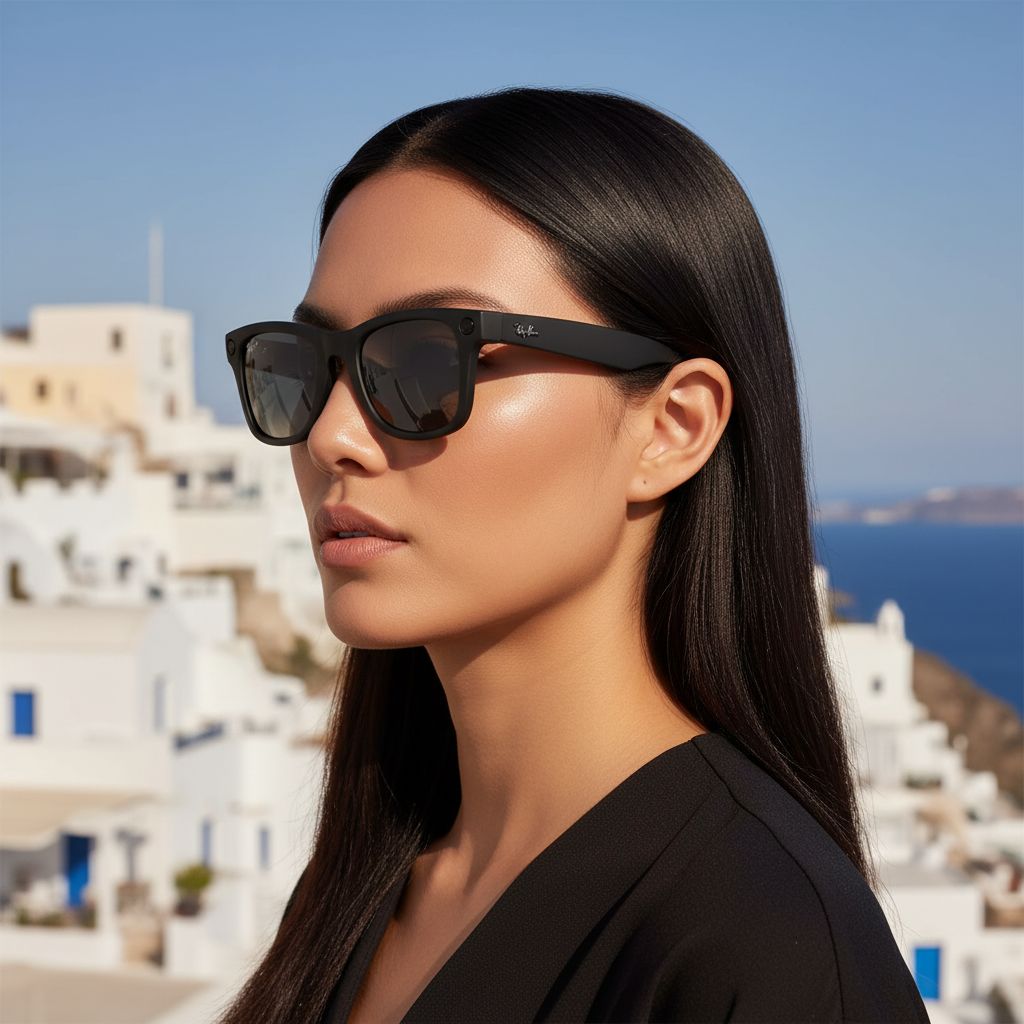

The moment I asked my sunglasses to read me a text while merging onto the freeway, I realized the Wayfarer had quietly become something else entirely.
It was a Tuesday, which felt like the right kind of day for something absurd. I was sitting in my car in a parking garage, temples of my new Ray-Ban Meta (Gen 1) Wayfarer smart glasses folded open with that satisfying acetate click, lenses catching the dim fluorescent wash overhead. I slid them onto my face, said “Hey Meta” out loud to nobody, and felt exactly like I was in a movie I hadn’t agreed to be in. The gradient graphite lenses dimmed the garage just enough to look intentional. And then, somehow, my glasses told me the weather. These are everyday sunglasses that have quietly eaten the rest of your carry, and I have been processing that ever since.

The First Time I Tried Them On
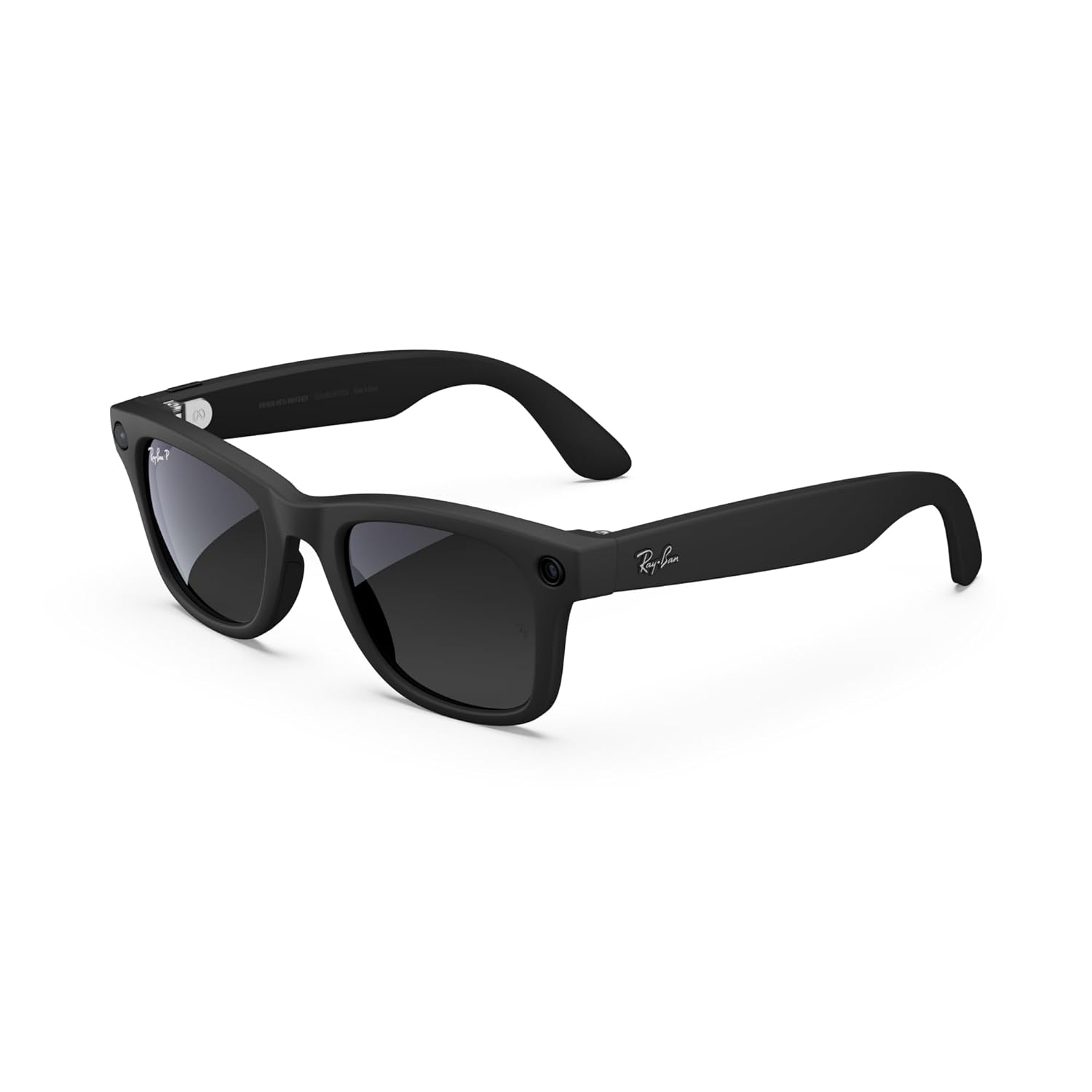
I’d been scrolling the GQ roundup of the best sunglasses for the third time in a week, which is the kind of behavior that means a purchase is already decided, I just haven’t admitted it. The Ray-Ban Meta kept appearing not in the tech section but in the style section, which I found either reassuring or alarming, depending on my mood. What stopped me wasn’t the camera spec or the speaker placement. It was the frame. The classic Wayfarer silhouette, matte black acetate, gradient lenses that run dark to light like a properly poured espresso. It looked, against all logic, like a normal pair of sunglasses.
I ordered them on a Wednesday. They arrived Friday, which felt cosmically correct. The unboxing alone bought them a week of goodwill.
How They Actually Fit
The standard fit sits well across a medium bridge, neither pinching nor floating. The temples have just enough spring to grip without the headache that comes from frames that feel like they’re auditing your skull. Weight-wise, they’re marginally heavier than a traditional acetate Wayfarer, which tracks given the tech packed into the temples, but the distribution is balanced enough that after twenty minutes I stopped noticing. Lens coverage is generous without tipping into wraparound territory, which means they work for oval and square face shapes especially well, and the gradient tint handles mixed-light environments better than I expected.
“These are the only sunglasses I’ve ever worn that made me feel both well-dressed and slightly ahead of schedule.”
One honest caveat: if you have a narrower face or a lower nose bridge, the fit can drift slightly toward the tip of the nose mid-afternoon. It’s not uncomfortable, it’s just present. According to the spring 2026 trend report, oversized and tech-integrated frames are landing squarely in the fashion conversation, which means this fit quirk might be less issue than identity. You can also browse our everyday Wayfarer sunglasses archive if you’re comparing silhouettes before committing.

The Outfits I Actually Wore Them With
Look 1: Sunday Coffee, Errands, Mild Existential Dread
Linen wide-leg trousers in off-white, a boxy navy quarter-zip, white sneakers, canvas tote with three receipts and a lip balm I can never find. The matte black frame grounded the whole soft-palette situation without fighting it. I asked Meta for the closest pharmacy while waiting for my coffee. The barista did not hear. This is part of the appeal.
Look 2: Friday Airport Run
Traveling is where these everyday sunglasses become genuinely functional in a way that’s hard to oversell. Dark straight jeans, a black crewneck, white-soled loafers, leather weekender over one shoulder. The open-ear speakers handled my boarding confirmation while my hands were completely full. I looked like someone who had their life together. I did not have my life together, but the glasses were carrying the narrative. For more travel-ready picks in a different silhouette, see our everyday aviator sunglasses collection.

Look 3: Driving, Late Afternoon, Golden Hour on the Windshield
This is the scenario where the polarized gradient graphite lenses do their best work. Late-afternoon sun at a low angle is genuinely punishing, and the polarization cut the glare off wet pavement in a way that felt less like a product feature and more like a physical relief. Cream linen shirt, dark shorts, slides. I was listening to a playlist I didn’t have to touch once. As the American Academy of Ophthalmology explains, polarized lenses reduce horizontal glare specifically, which makes them particularly well-suited for driving and water-adjacent activities. The gradient tint darkened the sky while keeping the road readable. It’s a small thing that makes a long drive feel shorter.
What Other People Are Saying
With over six thousand reviews and a 4.3 average, the consensus tilts strongly positive, with most enthusiasm landing on the audio quality that sounds like you’re in the room with your music, which is a specific kind of praise that I’d describe as accurate. The camera and AI integration inspire strong feelings in both directions, with some buyers fully converted on day one and others finding the learning curve steeper than expected.
What the reviews collectively reveal is that this pair rewards people who are willing to spend a week actually learning what it does. Buyers who treat it as a passive accessory get less out of it. Buyers who lean in tend to not want to go back. That split is telling, and honest.
Who Should Skip Them
If you have a narrow or petite face, the standard fit may run wide enough to create a gap at the temples, and there’s currently no slim variant in this generation. If prescription lenses are non-negotiable for daily wear, these aren’t configured for that, which is a real limitation for a significant portion of everyday sunglass shoppers. And if the idea of pairing a frame with an app, charging a case nightly, and occasionally saying “Hey Meta” in public makes you want to return to a simpler decade, that’s a completely valid position and these are not your pair. Our everyday round sunglasses or a classic non-tech Wayfarer will serve you better without the setup overhead.
What They Replace in My Rotation
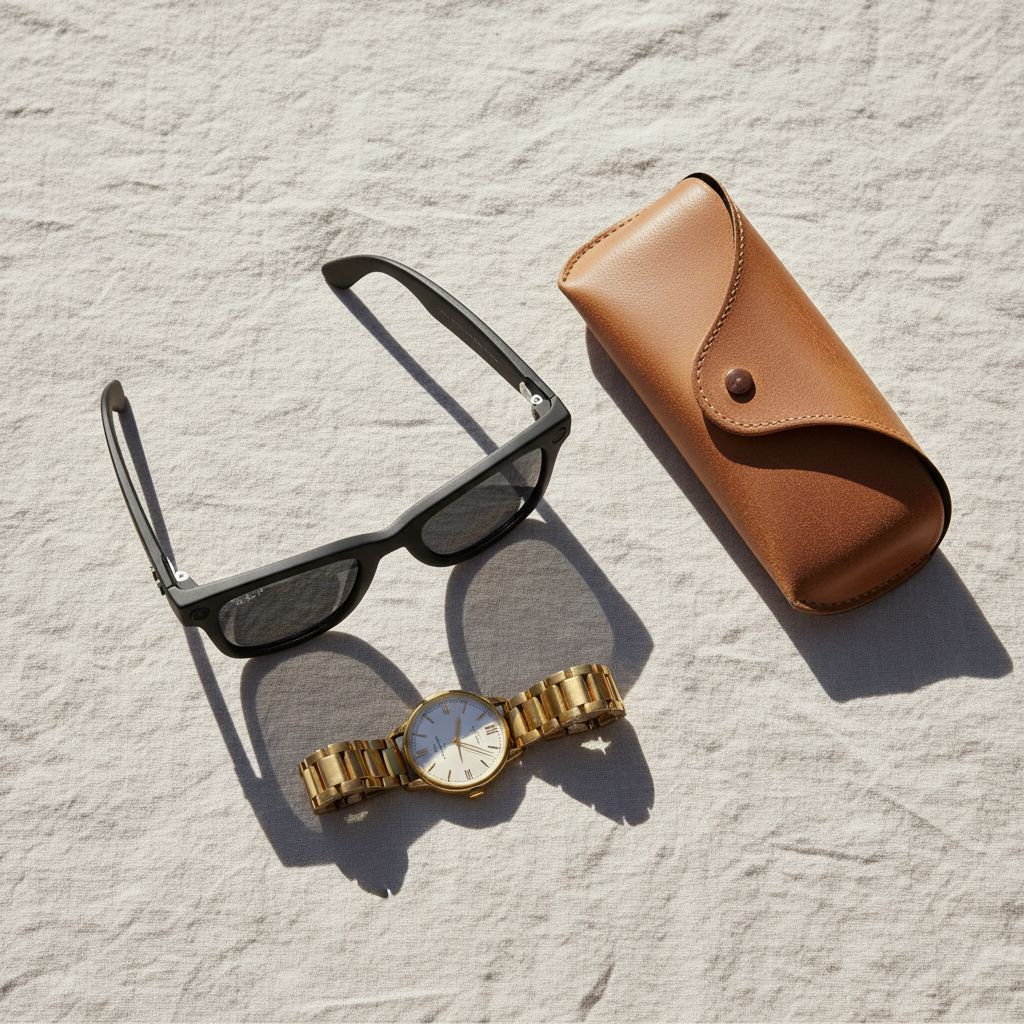
I had a pair of acetate Wayfarers I’d been leaving in the car for two years, the kind that live in the cupholder and get slightly warped by summer heat and are basically furniture at this point. Those are gone now. The Ray-Ban Meta took that slot, the car pair that somehow became the only pair I reach for consistently. What I didn’t expect was for them to also displace my Bluetooth earbuds on shorter trips, which is an outcome I genuinely didn’t plan for. There’s something clarifying about having fewer things in your hands. These accomplish that in a way a regular frame obviously can’t. Explore our editor’s top sunglasses picks if you’re still cross-shopping before deciding.

FAQ
What face shapes work best with the Wayfarer fit?
The classic Wayfarer silhouette flatters oval, square, and heart-shaped faces most consistently. Very narrow or petite face shapes may find the standard fit runs slightly wide at the temples.
Are the polarized lenses actually effective for driving?
Yes. The polarized UV400 polycarbonate lenses cut horizontal glare noticeably, particularly at low sun angles, and the gradient tint keeps ground-level visibility clear while darkening the upper field of view where sky glare is strongest.
Can I wear these for work, or do they read too casual?
The matte black acetate frame and classic Wayfarer shape read as polished rather than techy in most professional contexts. The smart functionality is invisible unless you’re actively using it, which means they hold up well in business-casual outdoor settings, client-facing travel days, or urban commutes.
Does the build quality match Ray-Ban’s reputation for durability?
The acetate frame construction and hinge feel consistent with Ray-Ban’s standard for the price tier. The hydrophobic lens coating resists daily wear well, and the charging case is solid rather than flimsy. The finish reads above what you’d expect from a tech-integrated frame, which often sacrifices style execution for function. These don’t.
What’s the return or fit policy if they don’t work for me?
Ray-Ban’s standard return window applies through authorized retailers, and the charging case and app are included, so you can test the full setup before committing. If the fit is the issue rather than the tech, the Wayfarer is also available in non-smart configurations for a direct silhouette comparison.
The Verdict
Next Saturday I’ll probably be on a walk with these on, one earbud-free ear to the street, half-listening to a podcast I don’t have to touch. That’s the version of the future these glasses are selling, and it’s a surprisingly calm one. The Harper’s Bazaar fashion trend coverage keeps circling the idea of tech that disappears into daily life rather than announcing itself, and the Ray-Ban Meta Wayfarer is the most convincing version of that I’ve worn. As a pair of everyday sunglasses for driving, travel, and general life management, they do more than they look like they do, which is the best possible version of that sentence. They’re not perfect for every face or every lifestyle, and the learning curve is real. But for the person who wanted one less thing to carry and still wanted to look like themselves doing it, these are the answer. The Wayfarer still fits, and now it also talks back. If you’re still deciding, check our full everyday sunglasses category or see if we’ve added them to the editor’s gift guide. The Ray-Ban Meta (Gen 1) Wayfarer is the most considered everyday sunglass I’ve tested this year, and I don’t reach for anything else when the car keys are in my hand.
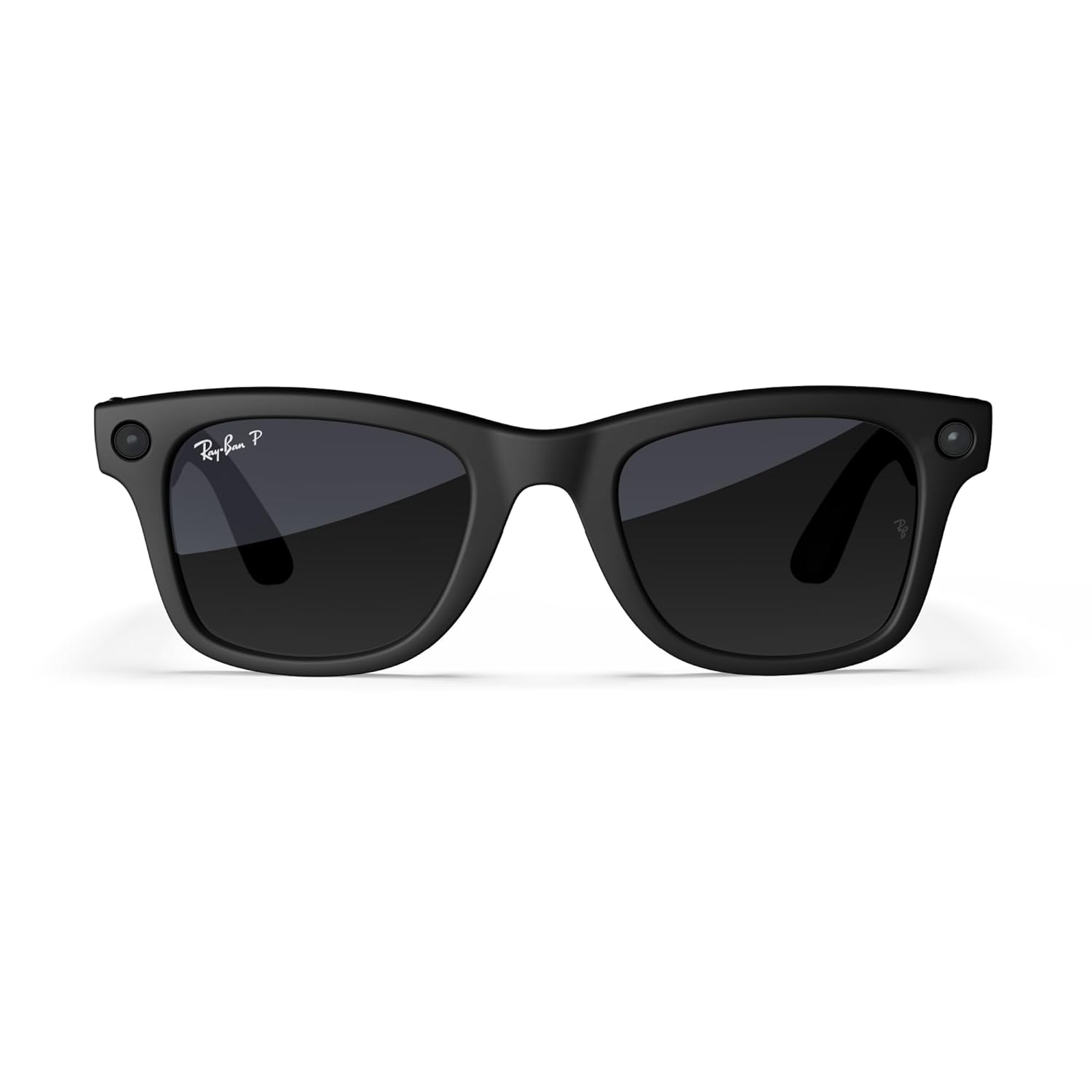
Every Angle
The pair as photographed for Amazon — front, side, back, detail.


As an Amazon Associate I earn from qualifying purchases.