Wayfarer Photochromic Sunglasses for Everyday Wear: Honest Review
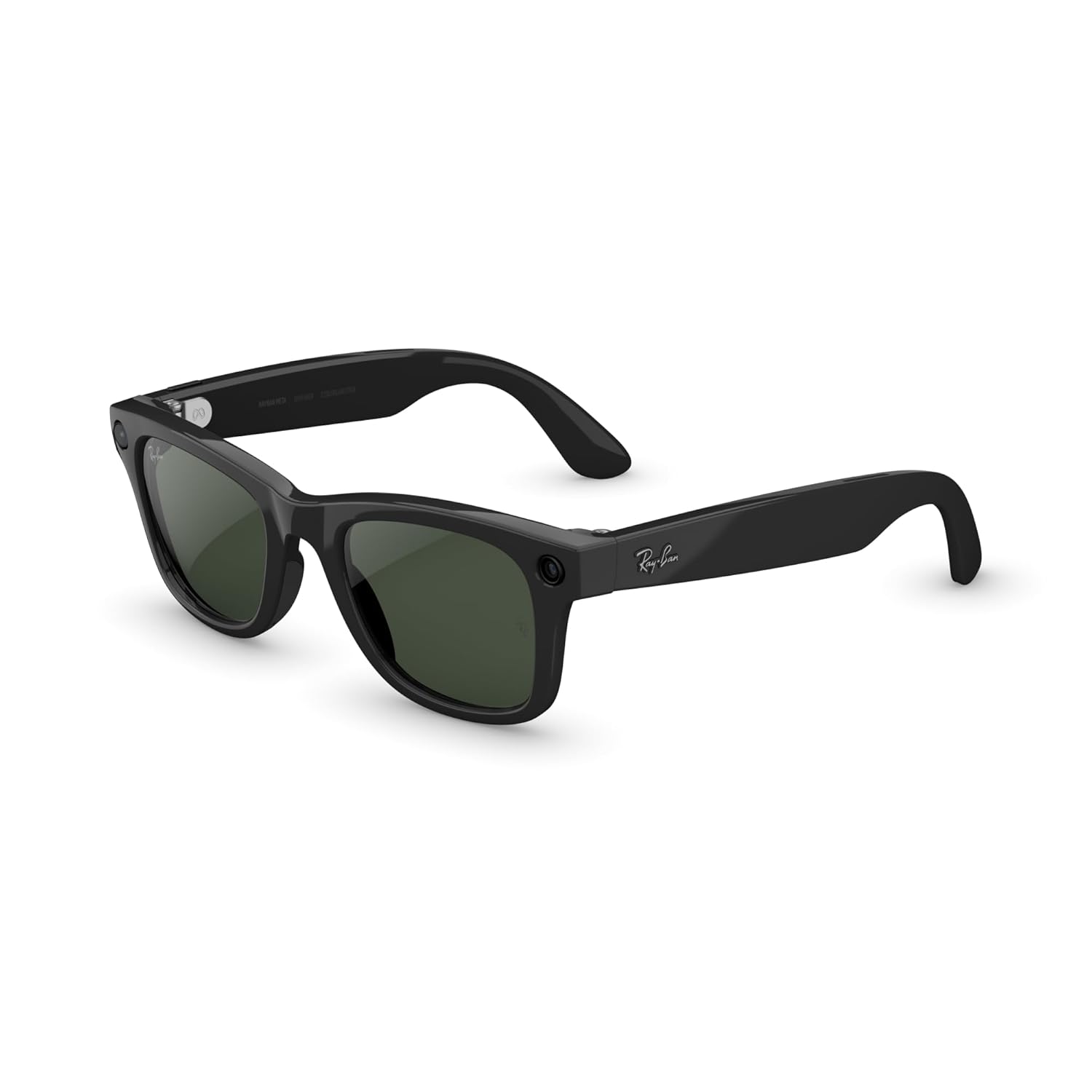


The moment I walked out of a coffee shop into blinding noon glare and my lenses darkened on their own while Meta’s AI read me a text message, I stopped thinking of these as sunglasses and started thinking of them as something else entirely.
There is a specific kind of Tuesday that breaks you: overbooked calendar, laptop bag digging into one shoulder, coffee already cold, and a glare off the windshield that turns the commute into a squinting contest. I had that Tuesday last month, and I was wearing the Ray-Ban Meta Gen 2 Wayfarer Large in Shiny Black when it happened. The lenses were sitting at a medium graphite tint when I stepped outside, then deepened almost imperceptibly as the sun hit them. A notification came through my glasses. I didn’t reach for my phone. I just kept walking. That Tuesday was the day I understood what this category of everyday sunglasses is actually trying to do.

The First Time I Tried Them On
I had been loosely following the Ray-Ban Meta collaboration since the first generation dropped, mostly with the mild skepticism I reserve for anything that shows up at the intersection of Silicon Valley and fashion. Then a friend showed up to dinner wearing a pair and I spent twenty minutes not being able to tell they were smart glasses at all. That was the hook. I went home and fell down a rabbit hole of reviews, landed on the Gen 2 Wayfarer Large, and was honestly more interested in the Transitions Graphite Green photochromic lenses than the AI features. I thought the tech was a nice extra. I had that backward.
When the box arrived, the first thing I noticed was how normal it looked. No extra bulk around the temples, no obvious camera bump that screams prototype. For a pair of everyday sunglasses carrying this much technology, the restraint is almost suspicious. See our full everyday Wayfarer sunglasses archive if you want the broader context of where this frame sits stylistically.
How They Actually Fit
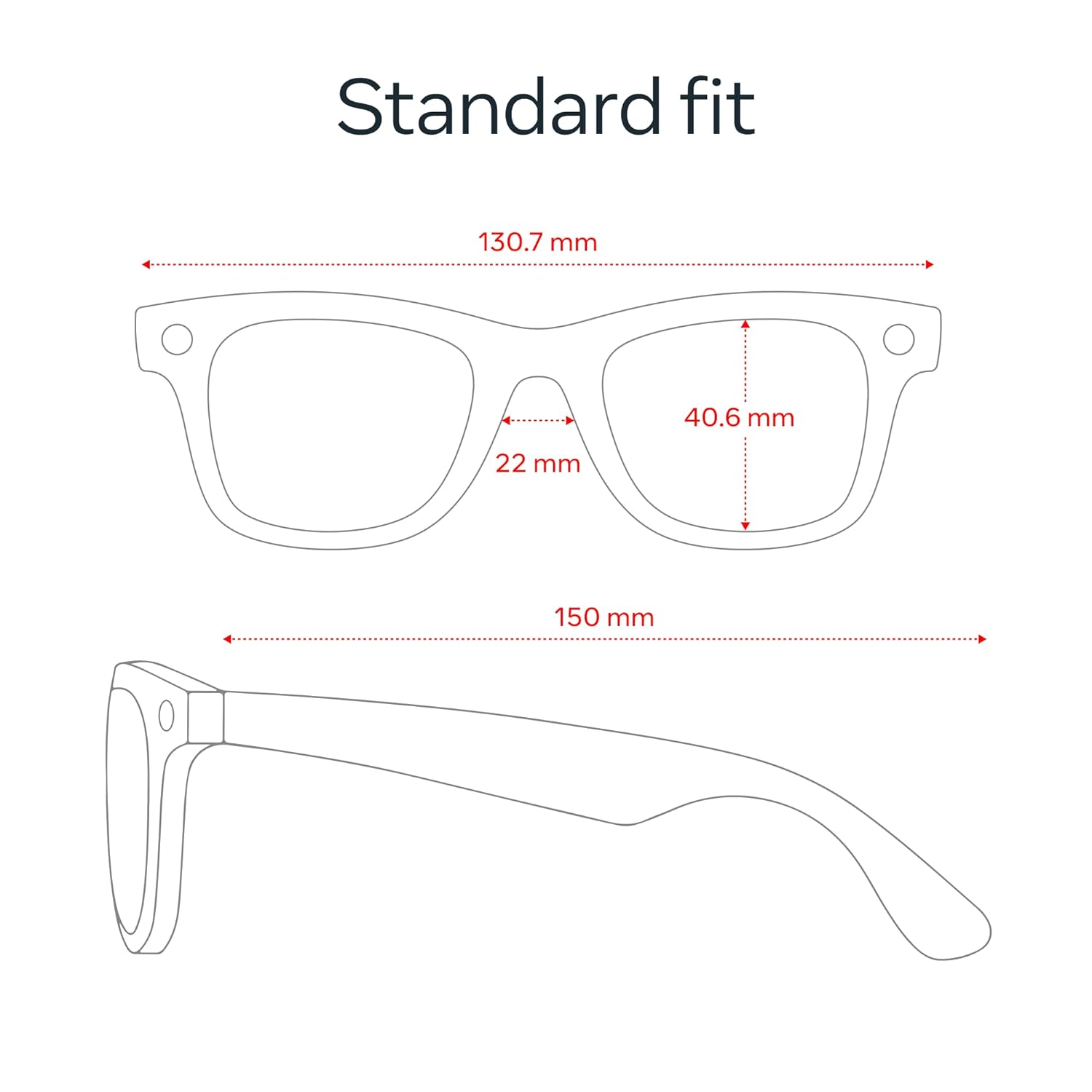
The Large Wayfarer sizing sits wider than the classic fit, which is either exactly right or slightly too wide depending on your face. On me, a medium-width oval face, they perch with just enough bridge contact to stay put without pressing. The acetate frame has a slight warmth to it that plastics don’t. Temple pressure is negligible for the first few hours, though I noticed a faint awareness of the (slightly heavier-than-average) arms after a long afternoon of wear. That added weight is the hardware. It’s a real trade-off and worth naming.
“These are the first sunglasses I’ve owned where the lenses feel smarter than I am at choosing when to darken.”
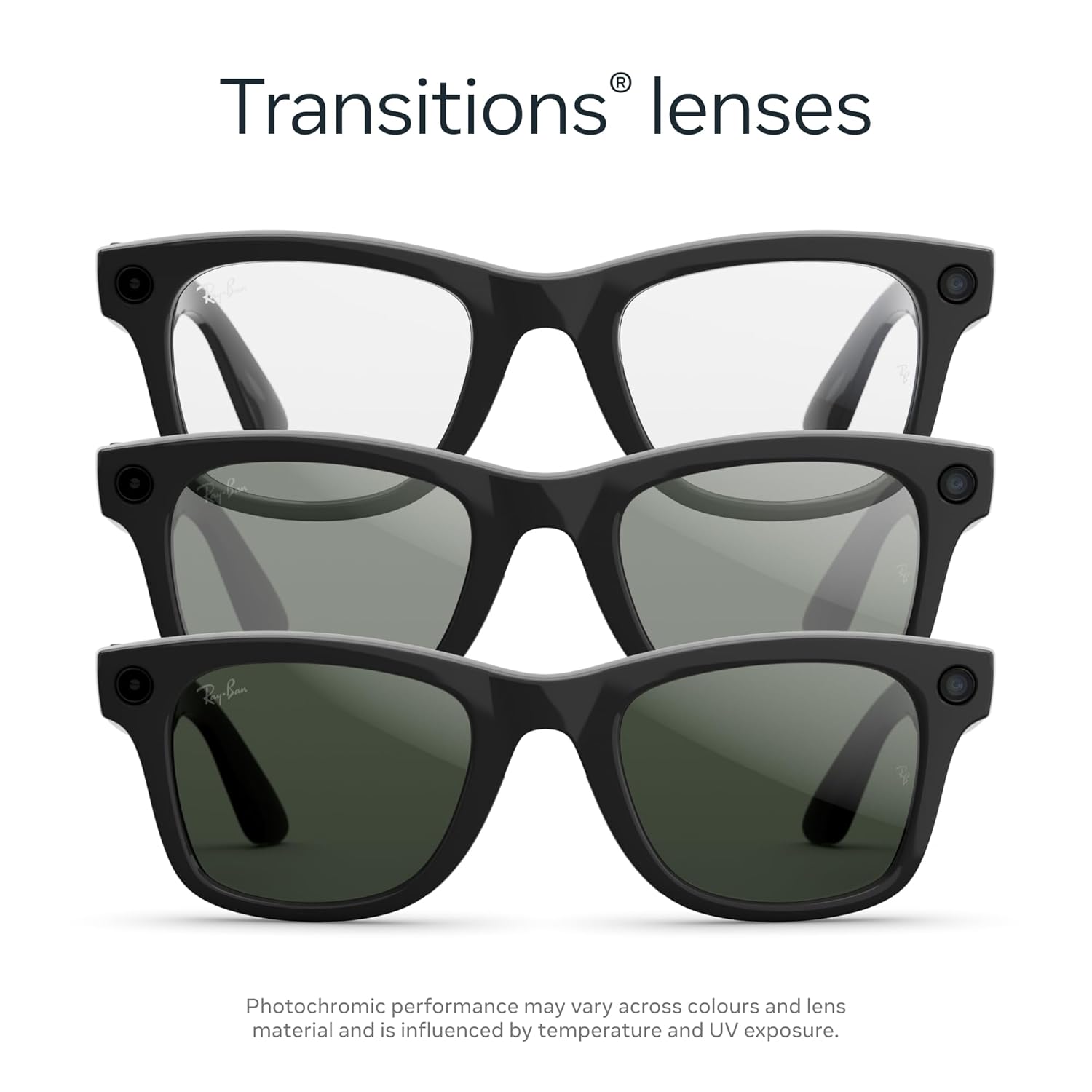
Lens coverage on the Large Wayfarer is generous without crossing into oversized territory, and the photochromic transition is genuinely smooth. I wore them on a drive where I moved in and out of tunnels repeatedly, and the lenses adjusted without the jarring delay I’ve experienced with other photochromic pairs. According to the spring 2026 trend report, the Wayfarer silhouette is cycling back into editorial favor, which means this frame shape is doing double duty right now: functional and timed well.
The Outfits I Actually Wore Them With
Look 1: Saturday Farmers Market, Slightly Hungover
Loose linen trousers, a washed white tee, leather slides, canvas tote from a bookshop I visited two years ago. This is the look where the Shiny Black Wayfarer does its most convincing work. Classic frames read as intentional even when the rest of the outfit is an afterthought. The lenses were at a light tint when I left home and darkened fully by the time I hit the outdoor stalls. Nobody asked about the tech. Three people asked where I got the glasses.
Look 2: Wednesday Work Commute, Transit and Walking
Slim charcoal trousers, a navy crew, leather sneakers that are trying to look like they belong in an office. Crossbody bag. The AI audio features got a real workout here. I had the glasses read me two emails while I was walking to the subway, hands completely free, and while the voice is not exactly warm, it is efficient. For an everyday sunglasses situation involving a city commute, this pair quietly eliminates a specific friction I didn’t know I was tolerating. Check out our picks in the everyday aviator category if you want an alternative commuter silhouette with a different energy.

Look 3: Sunday Afternoon on the Water
Swim shorts, an old linen shirt left open, boat shoes. This is where the camera surprised me. I shot a clip of a friend jumping off a dock, hands-free, without fumbling for my phone at exactly the wrong moment. The 12MP ultra-wide captures a wide frame, and the 3K resolution holds up when you actually watch the footage back on a screen. As an everyday sunglasses choice that doubles as a camera, the on-water use case is one of the most convincing. The anti-glare coating on the Transitions lenses handled the water reflection well enough that I wasn’t squinting.
What Other People Are Saying
One reviewer put it succinctly: “the design looks just like normal Ray-Bans, so they don’t feel gimmicky or overly techy when wearing them in public.” That sentiment shows up repeatedly across the nearly 1,900 reviews, alongside consistent praise for the camera and battery life improvements in Gen 2. The Consumer Reports sunglasses testing methodology doesn’t yet cover smart eyewear as a category, which tells you something about how new this territory still is.
The 4.2 rating across that many reviews suggests a product that delivers on its main promises while leaving room for honest quibbles. The consensus is that the camera converts skeptics faster than any other feature. Most negative notes cluster around the AI responses being fairly basic and the battery life still not covering a full travel day without the charging case. Both fair.

Who Should Skip Them
If you have a narrow face or a low nose bridge, the Large Wayfarer sizing may sit too wide and slide down constantly, which is annoying on a regular pair of sunglasses and genuinely distracting when the frame also has microphones and speakers. Worth trying on in person first if you’re between sizes. If you rely on prescription lenses, this is not yet your pair. The Ray-Ban Meta Gen 2 does not currently support optical prescriptions, which is a real gap for a significant portion of the population looking for everyday round or alternative smart frame options.
If the idea of a tech company having access to your camera and audio makes you uncomfortable, that discomfort is worth sitting with. These are not passive sunglasses. There is a small LED that lights when recording, but it is easy to miss in bright sunlight. That transparency limitation is a known criticism and a reasonable reason to pass.
What They Replace in My Rotation
I had a pair of classic acetate Wayfarers in tortoise that lived in my car for years. Good lenses, zero features, purely decorative at this point. The Ray-Ban Meta Gen 2 Wayfarer replaces them not because the old pair stopped working but because I kept reaching for the Meta pair instead, even on low-stakes days when I wasn’t planning to record anything or use the AI. The photochromic lenses alone justify the swap for me in an everyday sunglasses rotation. The fact that the frame can also shoot a clip while I’m carrying groceries is the part I’ve stopped taking for granted.
If you’re browsing for a gift, these make a specific kind of sense for the person in your life who has every regular accessory already and responds well to things that do more than expected. Browse our editor-curated gift ideas for a broader look at how these fit into a considered tech-and-style wishlist. And if you want to see how the Meta Wayfarer fits alongside other everyday picks, our editor’s top sunglasses recommendations have the full current rotation.
FAQ
Do the Ray-Ban Meta Gen 2 Wayfarers fit a wide face?
The Large Wayfarer measures wider than the standard Wayfarer, which works well for medium to wide face widths. If you typically find standard Wayfarers snug at the temples, the Large is likely a better fit. Narrow faces may find the frame slides.
How do the Transitions Graphite Green lenses perform in low light?
Photochromic lenses require UV exposure to activate, so they don’t darken significantly indoors or in a car with UV-filtering glass. For driving at dusk or overcast days, the lenses will stay relatively light. They are not a replacement for dedicated low-light or night driving lenses.
Can I wear these for a full workday and social evening?
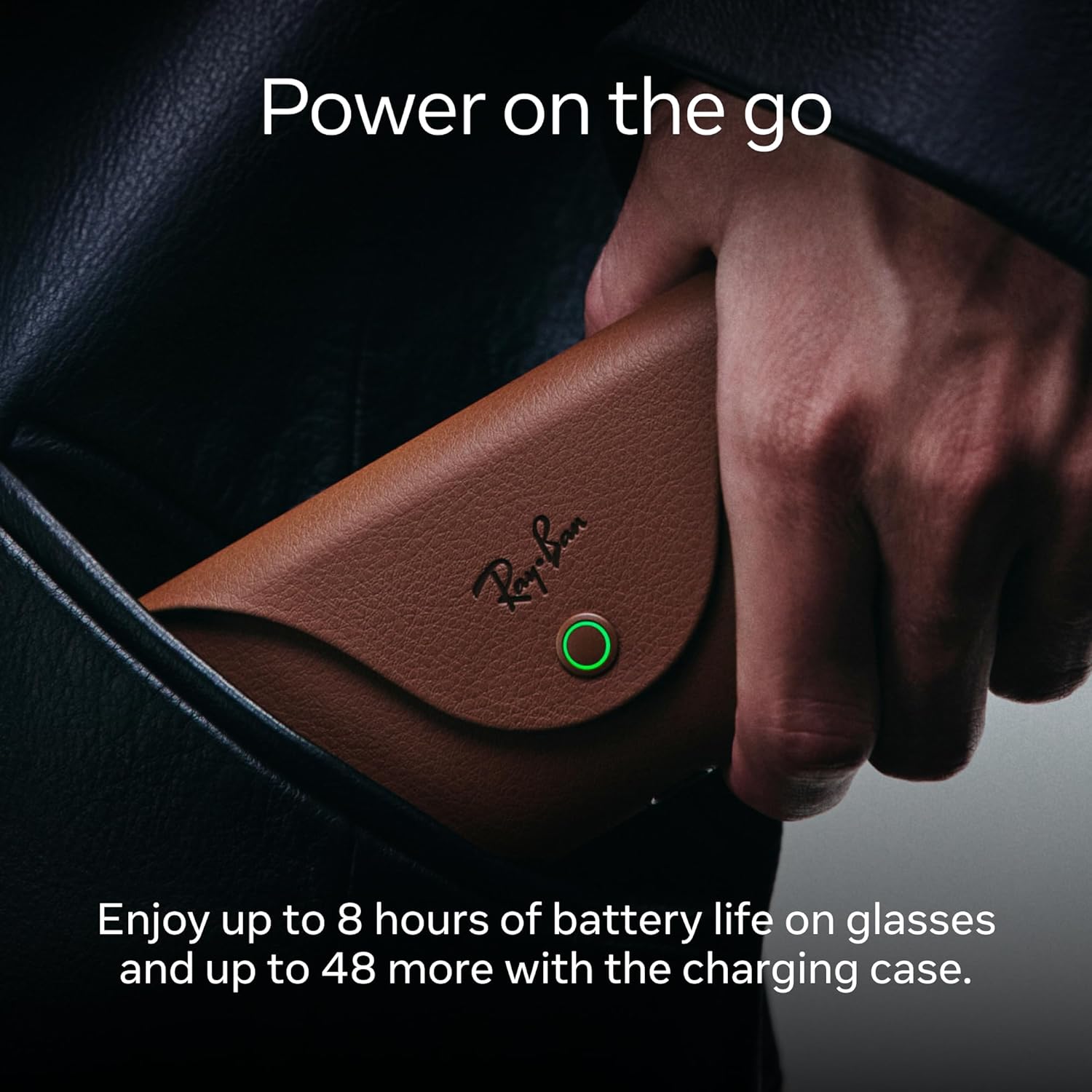
The Gen 2 doubles the battery life of the original, but a full day of active use, meaning regular audio, calls, and video recording, will likely require a top-up from the charging case. The case itself holds additional charges, so for travel or long days, keep the case nearby.
Are the Ray-Ban Meta Gen 2 Wayfarers worth the investment given the build quality?
The acetate frame, hinge feel, and lens clarity read above what you’d expect for an everyday sunglasses pair with embedded tech. You are paying a premium over a standard optical-only Wayfarer, and the finish justifies a meaningful portion of that gap. The value reads strongest if you’ll actually use the camera and audio features regularly.
What is the return policy and are these available to try in store?
Ray-Ban Meta glasses are available at select retail locations, which allows for an in-person fit test before committing. Online purchases through Ray-Ban’s official site and major retailers typically carry a standard return window; check the specific retailer’s policy at checkout since it varies.
The Verdict
There will be a morning, probably a travel day, where you’re moving through an airport with a bag in each hand and the lenses are adjusting to the harsh terminal light and someone’s text is being read to you and you realize you haven’t touched your phone in twenty minutes. That is the moment this pair makes its case, quietly and without ceremony. For a Ray-Ban Meta Gen 2 Wayfarer review to be honest, it has to acknowledge that this is a genuinely new kind of everyday sunglasses. Not better than a purely optical pair in every way. Heavier. Tech-dependent. Not prescription-compatible. But for the specific life it fits, which involves a commute, outdoor time, and a low tolerance for constantly pulling out a phone, it fills a gap that didn’t have a good answer before. The photochromic lenses would be worth it on their own. The rest is a well-executed bonus.
For context on where this fits in the broader smart eyewear conversation, the GQ best sunglasses guide and the Harper’s Bazaar fashion trends coverage have both tracked the Ray-Ban Meta line as the most wearable smart glasses currently available. That consensus holds. If you are ready for your sunglasses to do more than protect your eyes, this is the pair.
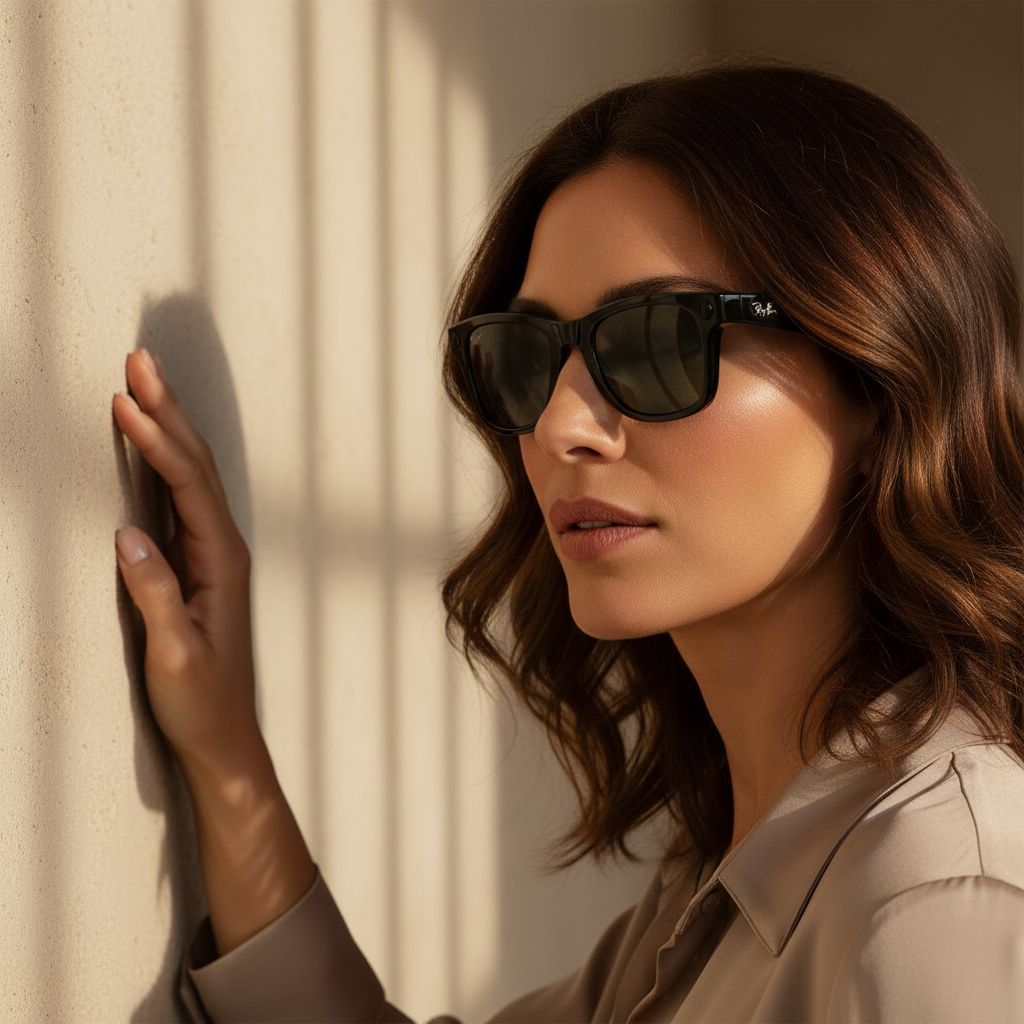
Every Angle
The pair as photographed for Amazon — front, side, back, detail.
As an Amazon Associate I earn from qualifying purchases.