Photochromic Wayfarer Sunglasses for Everyday Wear: Honest Review



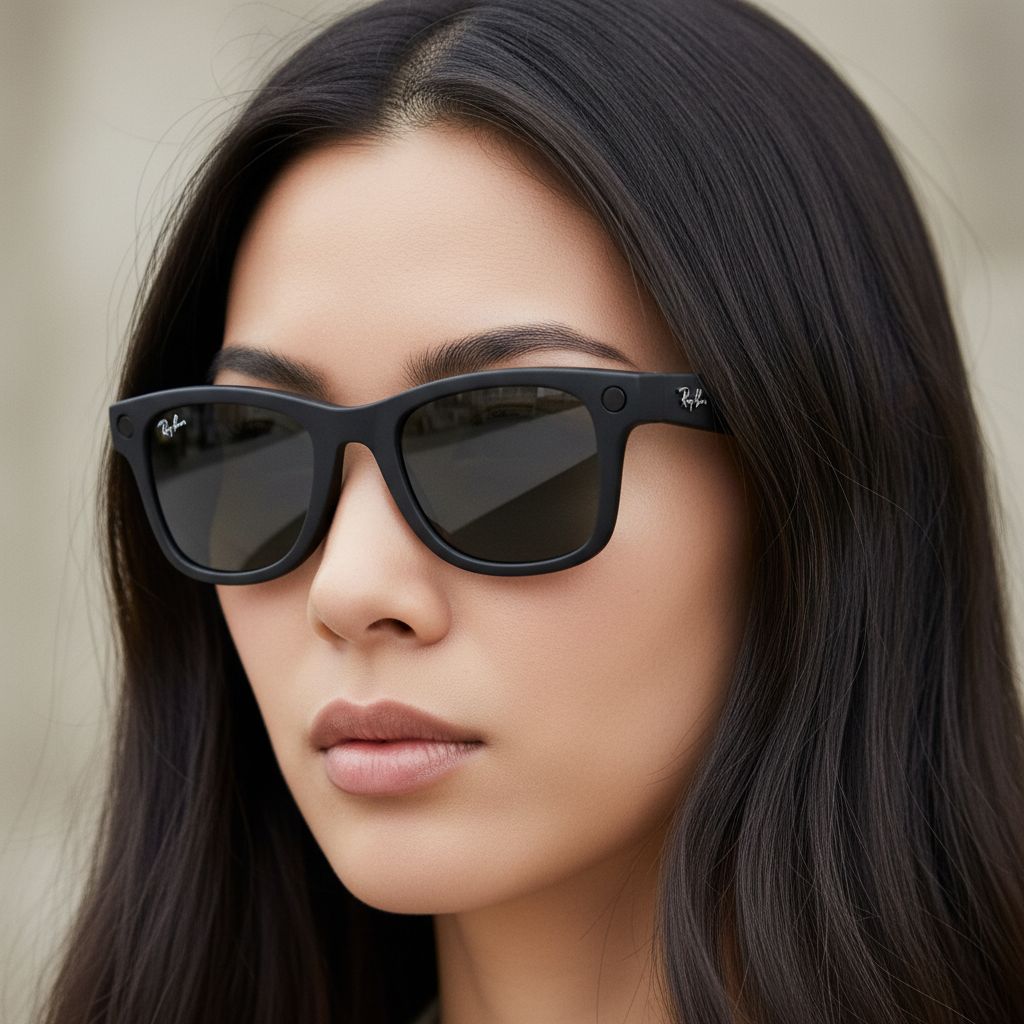
The moment the Transitions lenses darkened mid-drive and my open Maps app read aloud from the frames sitting on my face, I realized I had been wearing the future for three weeks without fully processing it.
It was a Tuesday, the kind where you leave the house in a rush and grab whatever sunglasses are closest to the door. I grabbed the Meta Ray-Ban Gen 2 Wayfarer in Matte Black, mostly because they were sitting on top of my bag from the day before. By the time I got to the car, the Transitions Grey lenses had already begun to darken in the morning sun, and the frames felt like nothing on my nose, the way a well-broken-in pair does after months of wear. I had owned them for exactly eleven days. I pulled out of the driveway, asked them to play my commute playlist, and got a response from the bridge of my nose. That is when I stopped thinking of these as sunglasses with a gimmick and started thinking of them as something genuinely different.

The First Time I Tried Them On
I had been cycling through the usual suspects in the everyday sunglasses conversation for about a year before these landed on my radar. I kept seeing them on the kind of people who are just slightly ahead of the curve, not tech-forward people necessarily, just people who had figured something out. The wayfarer shape was familiar enough that I did not feel like I was strapping a gadget to my head, and the matte black acetate finish looked, honestly, like a pair I would have bought without any of the technology inside. That combination of familiar silhouette and quiet design is what made me stop scrolling.
I found them while cross-referencing a GQ roundup of the best sunglasses for men with my own notes on what I actually needed: something that could move from a morning drive to a work meeting without looking like a prop. The Meta Ray-Ban Wayfarer checked every box on paper. Whether it delivered in person was the real question.
How They Actually Fit
The standard fit lives up to the classic wayfarer geometry, which means a slightly wider face will love these and a very narrow face will want to try them in person before committing. The acetate frame is substantial without being heavy. On the bridge, they settle in a way that feels deliberate, not pinchy, not loose. The temples apply just enough pressure at the ears to stay put during a walk, a run to catch a bus, or a quick head-turn to check a blind spot.
“These are the everyday sunglasses I stop thinking about the second I put them on, which is the highest compliment I know how to give.”
The lens coverage is generous, the kind that actually shields peripheral glare on a bright highway rather than just framing your face for a photo. One honest caveat: when I pushed them up onto my head, the slightly wider wayfarer temple arms created a mild pressure point above my ears after about twenty minutes in that position. It is not a dealbreaker, but it is worth noting if you are a habitual glasses-on-head person. For more on how this season’s trend toward oversized, bold frames is informing fit expectations, the conversation is worth reading alongside your own try-on experience.

The Outfits I Actually Wore Them With
Look 1: Tuesday Commute, Coffee in Hand
A slate grey crewneck, straight-leg dark denim, white leather sneakers, a canvas tote over one shoulder. The matte black wayfarer frame against the grey sweater was understated in the best way. Nothing competed. The Transitions lenses were at about sixty percent darkness by the time I stepped outside, and they read as a clean, cool grey rather than the flat brown you sometimes get from photochromic lenses. I felt put-together without having tried particularly hard, which is exactly what I want from everyday sunglasses I am reaching for before coffee.
Look 2: Saturday Errands Into a Rooftop Dinner
This was the outfit transition test. I started in a linen shirt, wide-leg chinos, and white slip-on shoes, running grocery errands in full afternoon sun. By the time I got to the rooftop two hours later, the lenses had faded almost entirely clear under the shade of the pergola. The frames looked intentional in both settings. Nobody at dinner asked if I was wearing tech; they asked where I got my sunglasses. That sentence contains all the information you need about the design success of the Meta Ray-Ban Gen 2 Wayfarer.

Look 3: Airport to City, Back Again
Travel is where these earned their full reputation. An oversized bomber, cargo trousers, chunky boots, a carry-on I was too committed to checking. The frames stayed on for the better part of eight hours between gates, cabs, and bright terminal fluorescents. The audio feature meant I did not have to excavate earbuds from my bag every time I needed directions or wanted to hear a voice note. The Transitions lenses cycled through probably four different light environments across that trip without me touching them once. For a pair that doubles as everyday travel sunglasses, that kind of passive adaptability is hard to argue with.
What Other People Are Saying
With 326 ratings averaging 4.1 out of 5, the Meta Ray-Ban Gen 2 Wayfarer has accumulated enough real-world feedback to reveal a clear pattern. The praise clusters around the photochromic lens performance and the audio quality; the criticism tends to focus on app connectivity learning curves and the mild bulk added by the camera module at the temple.
What the review consensus suggests, more than anything, is that buyers who approach these as a capable everyday wayfarer first and a tech product second tend to come away satisfied. The people who went in expecting seamless, invisible smart-glasses integration and got a slight learning curve are the ones leaving four stars instead of five.

Who Should Skip Them
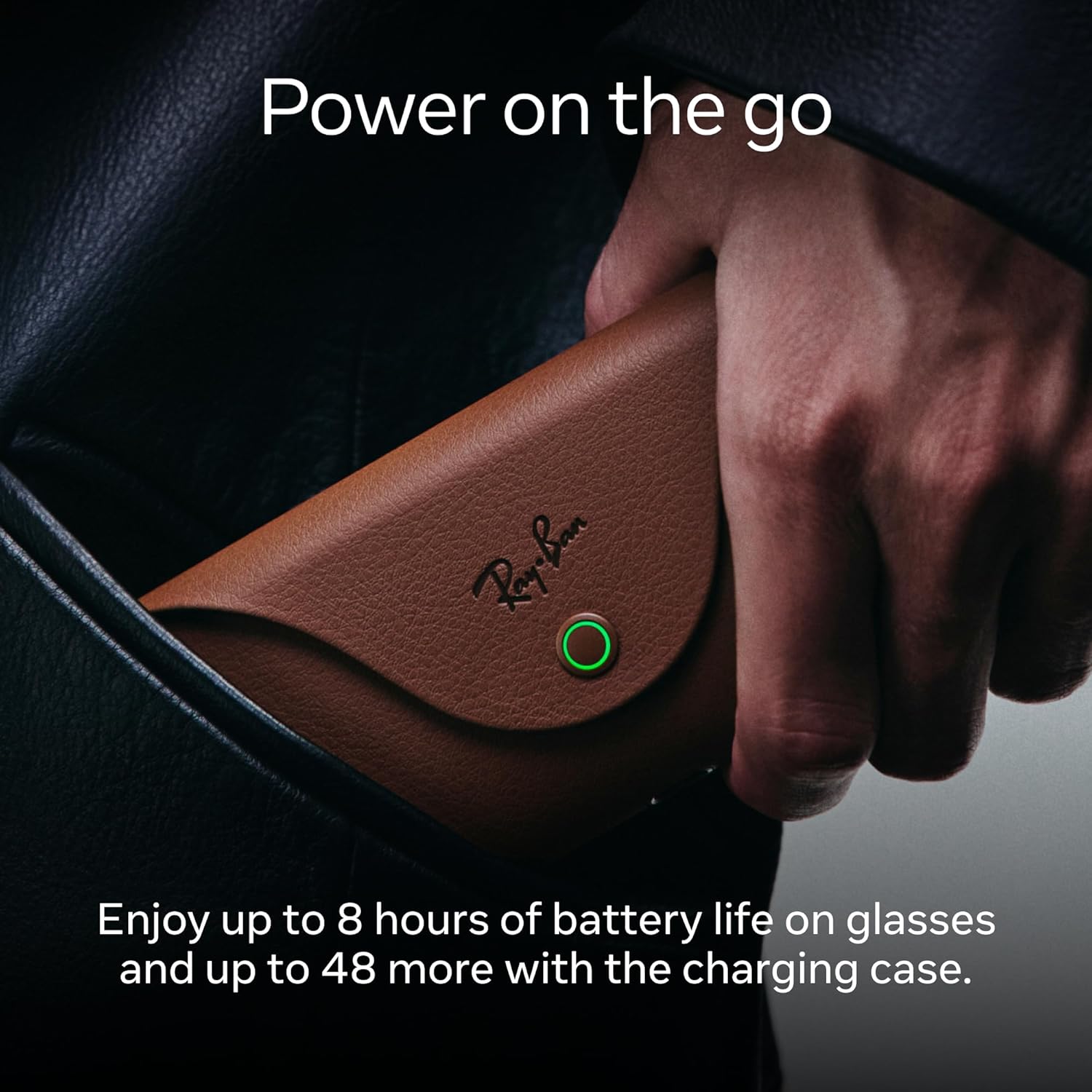
If you have a very narrow face or a low nose bridge, the standard fit may sit awkwardly. The wayfarer shape assumes a certain width, and without the proper foundation, even the best frame drifts. Anyone who needs prescription lenses will also want to verify current compatibility before investing, as photochromic smart-glasses and Rx options are not always a straightforward pairing. If your sunglasses budget is oriented toward something more accessible and you are purely after the classic wayfarer aesthetic without the technology, there are simpler options in this everyday wayfarer sunglasses category worth exploring first. And if the idea of charging your sunglasses every few days sounds like friction rather than novelty, that instinct is probably worth trusting.
What They Replace in My Rotation
I had a pair of classic acetate wayfarers in tortoise that I had been wearing for three years. They were a good pair, no complaints, no stories. They lived in the car and did their job. The Meta Ray-Ban Gen 2 Wayfarer has effectively retired them, not because the old pair failed, but because once I got used to audio directions through the frames on a drive, going back felt like a step I had already taken. These now live in the car. That is the highest rotation slot I have. The old pair moved to the nightstand for evening walks, which is honestly a better assignment for them anyway.

FAQ
What face shapes work best with the wayfarer fit?
The classic wayfarer silhouette suits oval, square, and heart-shaped faces particularly well. Round faces can work if you lean into the angular contrast the frame creates, but very narrow faces may find the standard fit too wide across the bridge.
How do the Transitions Grey lenses actually perform in mixed light?
They transition smoothly from nearly clear indoors to a solid grey tint in full sun, with the change taking roughly thirty to sixty seconds in either direction depending on UV intensity. The grey tint reads neutral rather than warm, which keeps colors accurate in most driving and outdoor environments.
Can I wear these for driving and then go straight into a meeting?
Yes, and that is genuinely one of their strongest use cases. The photochromic lenses clear enough indoors that wearing them in a meeting does not read as strange, and the wayfarer frame is classic enough that the context shift from car to conference room is not jarring. They work as legitimate driving sunglasses without being limited to that role.
Does the build quality justify what you are paying?
The acetate frame feels dense and well-finished, the hinges have a smooth, deliberate movement, and the lens optics are noticeably clear rather than the slightly hazy quality you sometimes get in photochromic glasses at this category. For what you are paying, the level of finish reads above what the packaging would suggest, and the technology integration does not compromise the physical frame quality in any visible way.
What is the return or sizing situation if they do not fit?
Ray-Ban’s standard return policy applies. Fit is fairly consistent with the traditional wayfarer sizing, so if you have worn that silhouette before, your previous size will likely translate. When in doubt, try them at a retailer before ordering online.
The Verdict
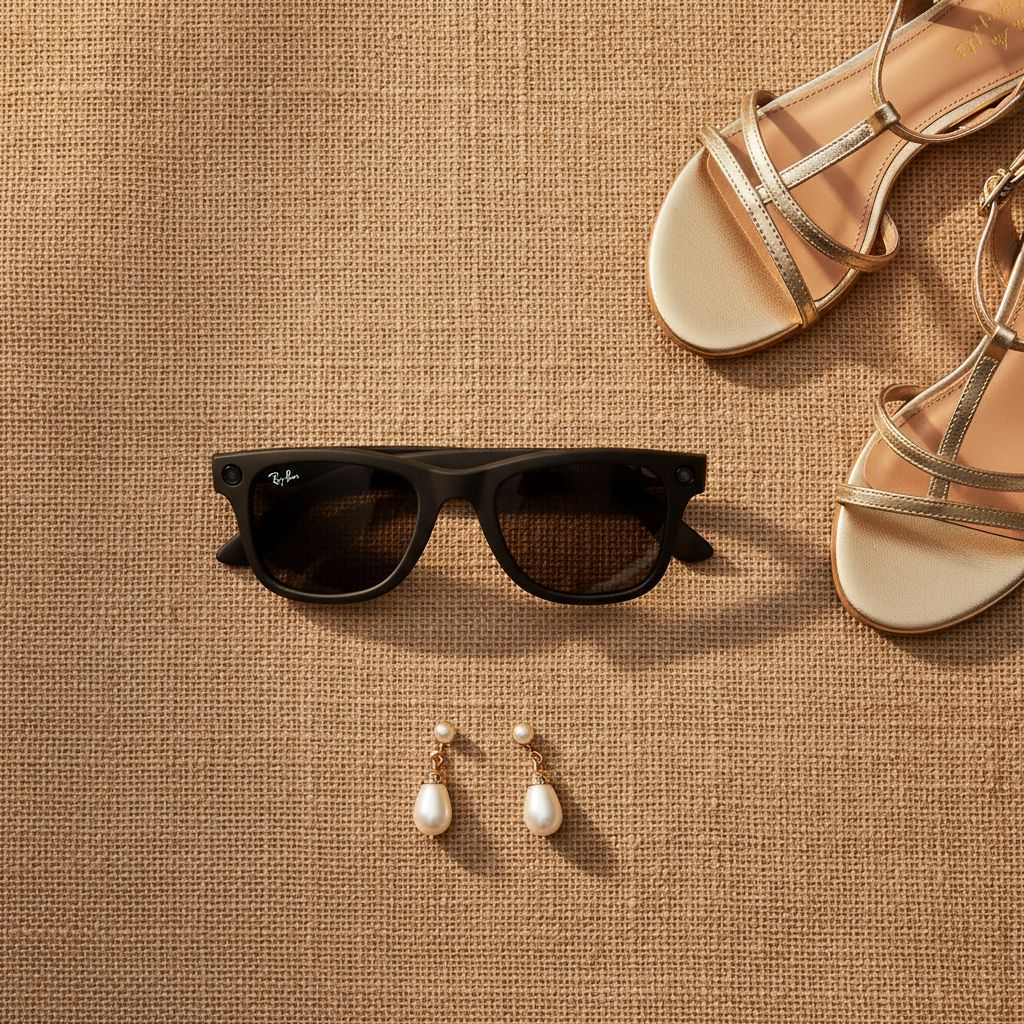
There is a version of the future where all of this technology disappears completely into a frame that looks like something you have always owned. The Meta Ray-Ban Gen 2 Wayfarer in Matte Black is not quite that version, but it is close enough that most people will not notice the difference from three feet away. The Transitions Grey lenses alone would justify these as a serious all-season everyday sunglasses pick, and the audio and camera features are genuinely useful rather than performative. These are the pair I reach for when I am going to be outside for a few hours and do not want to think too hard about what my face is doing. For anyone exploring the broader landscape of everyday sunglasses picks or looking for something to add to a considered sunglasses gift list, these belong in the conversation. If you want to see how they stack up against other silhouettes, the everyday aviator category and the everyday round frames are worth a look for comparison. But if the wayfarer is already your shape, and you want one that does more than sit on your face, the answer here is straightforward. Buy them, charge them once, and stop thinking about it.
For a deeper dive into how smart eyewear fits into the broader accessories conversation right now, or to see our full editor-tested sunglasses recommendations across every occasion and frame shape, both are worth your time before you decide.
Every Angle
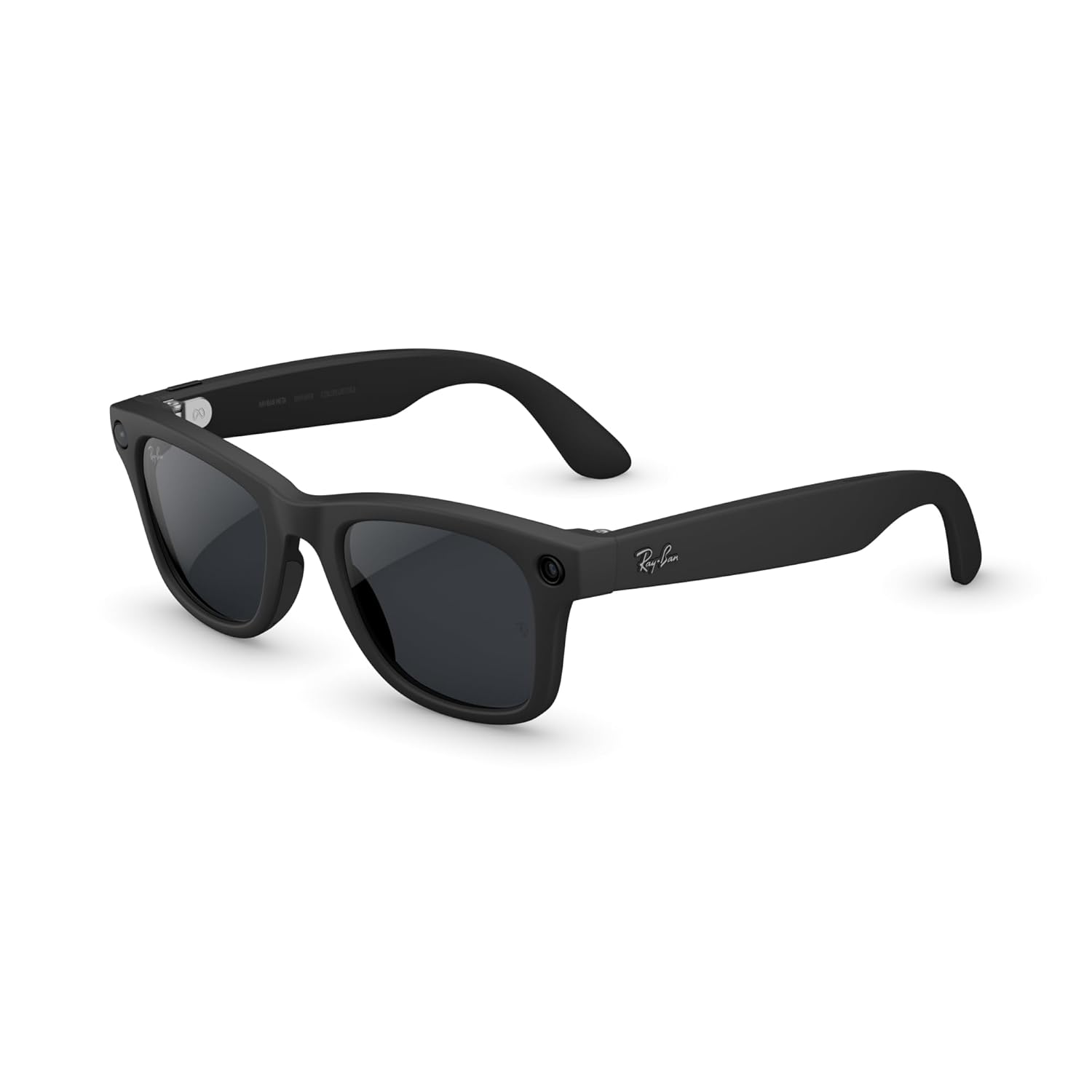
The pair as photographed for Amazon — front, side, back, detail.


As an Amazon Associate I earn from qualifying purchases.